By Eric Astrauskas, Spec. Hons. B.A. (Kinesiology), P.T.S.
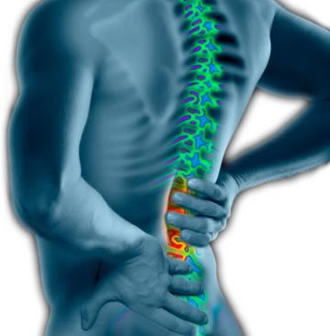
1. Make sure you stretch your hip flexors (psaos) and hamstrings if you sit at a computer all day. Do not slouch. Take breaks to move around and stretch. A tight hip flexor and/or hamstring will lead to back tightness and could even result in lumbar disc compression.
2.Trigger Point Performance and the Rumbleroller are great self massage tools that will help loosen your hip flexors and relieve lower back pain. If you are a regular long distance runner a massage ball should definitely be a part of your arsenal.
3. Make sure to lift things off the floor with your legs and your back in neutral position. If you suffer lower back pain from overuse injuries at work, an ergonomist can likely help you.
4. Avoid stretching cold muscles. Do a quick warm up to avoid pulls and strains from stretching. Perform moving/dynamic stretching exercises before working out shoulders to improve bloodflow and mobility of muscle and joint. Dynamic (moving) stretching exercises of the hip flexors, hamstrings, abdominals, lower back, and quadriceps include: leg swings, hip circles, twists, and bodyweight squats.
5. Avoid frequently using lifting belts when training. Develop a strong core instead. This does not apply if you are a powerlifter.
6. Keep your core braced and learn proper breathing techniques when lifting (eg. exhaling forcefully but slowly to maintain intra-abdominal pressure throughout movements). This pressure will protect your back.
7. Learn movements with weights you are comfortable using. This is especially important when performing kettlebell drills and powerlifting. These are complex movements and require time to master.
8. Make sure you develop muscular balance. Hamstrings should be slightly stronger than quadriceps. Try to match lower back and abdominal strength. Many people focus on numerous abdominal exercises but avoid the exercises that develop a healthy and strong lower back (deadlifts, good mornings, hyperextensions, glute-ham raises). There is an obsession with six pack abs and the lower back is forgotten.
9. Make sure to flip your mattress and buy a new mattress 5-7 years. It is important to have good support of the spine when sleeping. If you are regularly waking up stiff and aching your bed may be the problem.
10. Do not regularly switch your shoes. Especially changing heel height will create tightness in calves. I would defintely avoid high heels. Tight fascia is not an isolated problem, it will move up the body to hamstrings and lower back.